Buy yourwebsite.eu ?
We are moving the project
yourwebsite.eu .
Are you interested in purchasing the domain
yourwebsite.eu ?
domain@kv-gmbh.de · 0541-91531010
Buy yourwebsite.eu ?
What are anatomical adaptations?
Anatomical adaptations are physical characteristics or features of an organism that have evolved over time to help it survive and thrive in its environment. These adaptations can include changes in the size, shape, structure, or function of body parts such as limbs, organs, or sensory organs. Anatomical adaptations are often the result of natural selection, where individuals with traits that are better suited to their environment are more likely to survive and reproduce, passing on those advantageous traits to future generations. These adaptations can help organisms to obtain food, avoid predators, find mates, and generally improve their chances of survival and reproductive success. **
What adaptations do budgerigars have?
Budgerigars, also known as budgies, have several adaptations that help them survive in their natural habitat. They have a specialized beak that is perfect for cracking open seeds, which make up a large part of their diet. Their ability to fly swiftly and maneuver quickly helps them escape predators. Budgerigars also have excellent camouflage, with their green and yellow feathers blending in well with their surroundings, providing them with some protection from predators. **


Similar search terms for Adaptations
Top-Angebote
Products related to Adaptations:
-
"Space Solutions 18"" 2 Drawer Mobile Vertical File Cabinet, Pearl White"The Mobile 2-Drawer Metal File Cabinet is designed for small office or home office use. The cabinet features a smart, efficient design that works well in small spaces and fits under most work surfaces or desks.144,49 $*Shipping: 0,00 $Secure redirect to the provider
-
"Space Solutions 18"" Deep 3 Drawer Mobile Organizer Metal Cabinet, Navy"The 3-Drawer Organizer Metal File Cabinet is a multi-functional file cabinet perfect for storing files, supplies, and accessories for your small office or home office.152,99 $*Shipping: 0,00 $Secure redirect to the provider
-
"Space Solutions 18"" Deep 2 Drawer Mobile Letter Width Vertical File Cabinet"Files, supplies, project folders, the things that matter and the things you can't throw away — they accumulate. And when they do, a drawer that slides smoothly and moves wherever you need it changes everything.147,99 $*Shipping: 0,00 $Secure redirect to the provider


-
What are anatomical physiological adaptations?
Anatomical physiological adaptations refer to changes in the structure and function of an organism's body in response to environmental pressures. These adaptations can include changes in organ size, shape, and function, as well as alterations in physiological processes such as metabolism, circulation, and respiration. These adaptations allow an organism to better survive and thrive in its specific environment, and can be the result of natural selection over many generations. Examples of anatomical physiological adaptations include the development of specialized respiratory systems in aquatic animals, or the ability of desert animals to conserve water. **
-
What are functional and morphological adaptations?
Functional adaptations are changes in an organism's behavior or physiology that help it survive and reproduce in its environment. These adaptations can include things like camouflage, mimicry, or the ability to withstand extreme temperatures. Morphological adaptations, on the other hand, are physical changes in an organism's body structure that help it better perform certain functions. These adaptations can include things like the shape of a bird's beak for feeding, the size of a mammal's ears for hearing, or the coloration of an insect's wings for protection. **
-
What are the adaptations of plants?
Plants have various adaptations to survive in different environments. Some adaptations include the ability to store water in their leaves or stems, such as succulents in arid regions. Plants in cold climates may have adaptations like antifreeze proteins to prevent ice crystal formation in their cells. Other adaptations include specialized root systems for anchorage and nutrient uptake, as well as mechanisms to attract pollinators for reproduction. Overall, plants have evolved a wide range of adaptations to thrive in diverse habitats. **
-
What are the current film adaptations?
As of now, there are several film adaptations in production or recently released. Some of the notable ones include "Dune" directed by Denis Villeneuve, "The Power of the Dog" directed by Jane Campion, "The Last Duel" directed by Ridley Scott, "The Green Knight" directed by David Lowery, and "The Tragedy of Macbeth" directed by Joel Coen. These adaptations cover a range of genres and source materials, showcasing the diversity of storytelling in film. **


What adaptations are there for Peter Pan?
There have been numerous adaptations of the story of Peter Pan, including stage plays, films, television shows, and books. Some adaptations have modernized the story or added new elements to appeal to contemporary audiences, while others have stayed true to the original source material. Additionally, different adaptations have explored different aspects of the story, such as the relationship between Peter Pan and Wendy, the character of Captain Hook, or the themes of childhood and growing up. Overall, the adaptability of the Peter Pan story has allowed for a wide range of interpretations and reimaginings across various forms of media. **
What kind of adaptations do plants have?
Plants have various adaptations to help them survive in different environments. Some common adaptations include the ability to photosynthesize to produce their own food, the presence of roots to absorb water and nutrients from the soil, and the development of thorns or spines for protection against herbivores. Additionally, plants may have specialized structures like waxy cuticles to reduce water loss or the ability to store water in their leaves or stems to survive in arid conditions. These adaptations help plants thrive in a wide range of habitats and conditions. **
Top-Angebote
Products related to Adaptations:
-
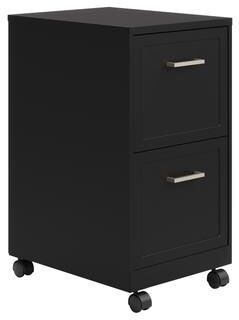
"Space Solutions 18"" Deep 2-drawer Mobile File Cabinet, Black"Keep your files organized and secure with the two lockable drawers of this mobile file cabinet. The drawers are deep enough to store letter-size files, and the smooth glide suspensions ease their operation.101,67 $*Shipping: 0,00 $Secure redirect to the provider
-
"Space Solutions 18"" 2 Drawer Mobile Vertical File Cabinet, Pearl White"The Mobile 2-Drawer Metal File Cabinet is designed for small office or home office use. The cabinet features a smart, efficient design that works well in small spaces and fits under most work surfaces or desks.144,49 $*Shipping: 0,00 $Secure redirect to the provider
-
What are anatomical adaptations?
Anatomical adaptations are physical characteristics or features of an organism that have evolved over time to help it survive and thrive in its environment. These adaptations can include changes in the size, shape, structure, or function of body parts such as limbs, organs, or sensory organs. Anatomical adaptations are often the result of natural selection, where individuals with traits that are better suited to their environment are more likely to survive and reproduce, passing on those advantageous traits to future generations. These adaptations can help organisms to obtain food, avoid predators, find mates, and generally improve their chances of survival and reproductive success. **
-
What adaptations do budgerigars have?
Budgerigars, also known as budgies, have several adaptations that help them survive in their natural habitat. They have a specialized beak that is perfect for cracking open seeds, which make up a large part of their diet. Their ability to fly swiftly and maneuver quickly helps them escape predators. Budgerigars also have excellent camouflage, with their green and yellow feathers blending in well with their surroundings, providing them with some protection from predators. **
-
What are anatomical physiological adaptations?
Anatomical physiological adaptations refer to changes in the structure and function of an organism's body in response to environmental pressures. These adaptations can include changes in organ size, shape, and function, as well as alterations in physiological processes such as metabolism, circulation, and respiration. These adaptations allow an organism to better survive and thrive in its specific environment, and can be the result of natural selection over many generations. Examples of anatomical physiological adaptations include the development of specialized respiratory systems in aquatic animals, or the ability of desert animals to conserve water. **
-
What are functional and morphological adaptations?
Functional adaptations are changes in an organism's behavior or physiology that help it survive and reproduce in its environment. These adaptations can include things like camouflage, mimicry, or the ability to withstand extreme temperatures. Morphological adaptations, on the other hand, are physical changes in an organism's body structure that help it better perform certain functions. These adaptations can include things like the shape of a bird's beak for feeding, the size of a mammal's ears for hearing, or the coloration of an insect's wings for protection. **
Similar search terms for Adaptations
-
"Space Solutions 18"" Deep 3 Drawer Mobile Organizer Metal Cabinet, Navy"The 3-Drawer Organizer Metal File Cabinet is a multi-functional file cabinet perfect for storing files, supplies, and accessories for your small office or home office.152,99 $*Shipping: 0,00 $Secure redirect to the provider
-
"Space Solutions 18"" Deep 2 Drawer Mobile Letter Width Vertical File Cabinet"Files, supplies, project folders, the things that matter and the things you can't throw away — they accumulate. And when they do, a drawer that slides smoothly and moves wherever you need it changes everything.147,99 $*Shipping: 0,00 $Secure redirect to the provider
-
"Space Solutions 18"" 2 Drawer Mobile Smart Vertical File Cabinet, Navy"The Mobile 2-Drawer Metal File Cabinet is designed for small office or home office use. The cabinet features a smart, efficient design that works well in small spaces and fits under most work surfaces or desks.101,62 $*Shipping: 0,00 $Secure redirect to the provider
-
What are the adaptations of plants?
Plants have various adaptations to survive in different environments. Some adaptations include the ability to store water in their leaves or stems, such as succulents in arid regions. Plants in cold climates may have adaptations like antifreeze proteins to prevent ice crystal formation in their cells. Other adaptations include specialized root systems for anchorage and nutrient uptake, as well as mechanisms to attract pollinators for reproduction. Overall, plants have evolved a wide range of adaptations to thrive in diverse habitats. **
-
What are the current film adaptations?
As of now, there are several film adaptations in production or recently released. Some of the notable ones include "Dune" directed by Denis Villeneuve, "The Power of the Dog" directed by Jane Campion, "The Last Duel" directed by Ridley Scott, "The Green Knight" directed by David Lowery, and "The Tragedy of Macbeth" directed by Joel Coen. These adaptations cover a range of genres and source materials, showcasing the diversity of storytelling in film. **
-
What adaptations are there for Peter Pan?
There have been numerous adaptations of the story of Peter Pan, including stage plays, films, television shows, and books. Some adaptations have modernized the story or added new elements to appeal to contemporary audiences, while others have stayed true to the original source material. Additionally, different adaptations have explored different aspects of the story, such as the relationship between Peter Pan and Wendy, the character of Captain Hook, or the themes of childhood and growing up. Overall, the adaptability of the Peter Pan story has allowed for a wide range of interpretations and reimaginings across various forms of media. **
-
What kind of adaptations do plants have?
Plants have various adaptations to help them survive in different environments. Some common adaptations include the ability to photosynthesize to produce their own food, the presence of roots to absorb water and nutrients from the soil, and the development of thorns or spines for protection against herbivores. Additionally, plants may have specialized structures like waxy cuticles to reduce water loss or the ability to store water in their leaves or stems to survive in arid conditions. These adaptations help plants thrive in a wide range of habitats and conditions. **
* All prices are inclusive of VAT and, if applicable, plus shipping costs. The offer information is based on the details provided by the respective shop and is updated through automated processes. Real-time updates do not occur, so deviations can occur in individual cases. ** Note: Parts of this content were created by AI.