Buy yourwebsite.eu ?
We are moving the project
yourwebsite.eu .
Are you interested in purchasing the domain
yourwebsite.eu ?
domain@kv-gmbh.de · 0541-91531010
Buy yourwebsite.eu ?
What is meant by pre-judging?
Pre-judging, also known as prejudice, refers to forming an opinion or judgment about someone or something before having all the relevant information or facts. It involves making assumptions based on stereotypes, biases, or limited knowledge, rather than taking the time to understand the individual or situation. Pre-judging can lead to unfair treatment, discrimination, and misunderstandings, and it is important to be aware of our own biases and strive to approach people and situations with an open mind. **
Am I judging him too quickly?
It's important to take the time to gather all the necessary information before making a judgment about someone. Consider whether you have all the facts and whether you are making assumptions based on limited information. It's also helpful to consider the context and circumstances that may be influencing the person's behavior. Taking a step back and trying to understand the situation from their perspective can help you make a more informed judgment. **

Similar search terms for Judging
Top-Angebote
Products related to Judging:
-
"Space Solutions 18"" 2 Drawer Mobile Vertical File Cabinet, Pearl White"The Mobile 2-Drawer Metal File Cabinet is designed for small office or home office use. The cabinet features a smart, efficient design that works well in small spaces and fits under most work surfaces or desks.144,49 $*Shipping: 0,00 $Secure redirect to the provider
-
"Space Solutions 18"" Deep 3 Drawer Mobile Organizer Metal Cabinet, Navy"The 3-Drawer Organizer Metal File Cabinet is a multi-functional file cabinet perfect for storing files, supplies, and accessories for your small office or home office.152,99 $*Shipping: 0,00 $Secure redirect to the provider
-
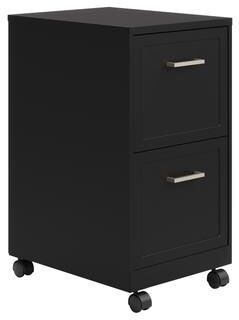
"Space Solutions 18"" Deep 2 Drawer Mobile Letter Width Vertical File Cabinet"Files, supplies, project folders, the things that matter and the things you can't throw away — they accumulate. And when they do, a drawer that slides smoothly and moves wherever you need it changes everything.147,99 $*Shipping: 0,00 $Secure redirect to the provider


-
Should one know someone before judging them?
It is important to get to know someone before passing judgment on them. By taking the time to understand a person's background, experiences, and perspectives, we can make more informed and fair assessments. Rushing to judgment without knowing someone can lead to misunderstandings and unfair assumptions. Building a relationship and gaining insight into someone's character can help us form more accurate opinions and treat others with empathy and respect. **
-
What does the Bible say about judging?
The Bible teaches that we should not judge others, as we will be judged in the same way. In Matthew 7:1-2, Jesus says, "Do not judge, or you too will be judged. For in the same way you judge others, you will be judged, and with the measure you use, it will be measured to you." Instead, we are called to show love, mercy, and forgiveness to others, leaving judgment to God. **
-
What is the difference between judging and evaluating?
Judging involves forming an opinion or making a decision based on personal values or beliefs, often leading to a more subjective assessment. Evaluating, on the other hand, involves assessing something based on specific criteria or standards, leading to a more objective analysis. While judging can be influenced by emotions and biases, evaluating focuses on gathering evidence and data to make a more informed and rational assessment. **
-
What is the difference between judging and thinking?
Judging involves forming an opinion or making a decision based on a set of criteria or standards, often with a sense of finality or certainty. On the other hand, thinking is a broader cognitive process that involves analyzing, evaluating, and processing information to come to a conclusion or generate new ideas. Thinking is more open-ended and flexible, allowing for exploration of different perspectives and possibilities, while judging tends to be more focused on making a definitive assessment. **


What is the difference between condemning and judging?
Condemning is expressing strong disapproval or criticism of someone's actions or behavior, often with a sense of moral outrage. It is a more severe form of judgment that typically involves passing a negative verdict on someone's character or actions. Judging, on the other hand, involves forming an opinion or evaluation about someone or something based on certain criteria or standards. While judging can be more neutral and objective, condemning tends to carry a more negative and punitive connotation. **
What is the difference between discussing and judging?
Discussing involves exploring and exchanging ideas, opinions, and perspectives on a topic in a respectful and open-minded manner. It is a collaborative process that seeks to understand different viewpoints and reach a deeper understanding of the subject at hand. On the other hand, judging involves forming an opinion or making a decision about someone or something based on perceived qualities or actions. It often involves a more critical and evaluative approach, which may lead to a conclusion or a determination of value. In summary, discussing is about sharing and understanding different perspectives, while judging is about forming an opinion or making a decision based on those perspectives. **
Top-Angebote
Products related to Judging:
-
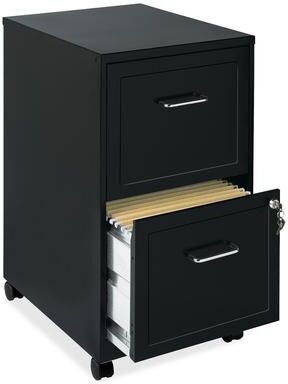
"Space Solutions 18"" Deep 2-drawer Mobile File Cabinet, Black"Keep your files organized and secure with the two lockable drawers of this mobile file cabinet. The drawers are deep enough to store letter-size files, and the smooth glide suspensions ease their operation.101,67 $*Shipping: 0,00 $Secure redirect to the provider
-
"Space Solutions 18"" 2 Drawer Mobile Vertical File Cabinet, Pearl White"The Mobile 2-Drawer Metal File Cabinet is designed for small office or home office use. The cabinet features a smart, efficient design that works well in small spaces and fits under most work surfaces or desks.144,49 $*Shipping: 0,00 $Secure redirect to the provider
-
What is meant by pre-judging?
Pre-judging, also known as prejudice, refers to forming an opinion or judgment about someone or something before having all the relevant information or facts. It involves making assumptions based on stereotypes, biases, or limited knowledge, rather than taking the time to understand the individual or situation. Pre-judging can lead to unfair treatment, discrimination, and misunderstandings, and it is important to be aware of our own biases and strive to approach people and situations with an open mind. **
-
Am I judging him too quickly?
It's important to take the time to gather all the necessary information before making a judgment about someone. Consider whether you have all the facts and whether you are making assumptions based on limited information. It's also helpful to consider the context and circumstances that may be influencing the person's behavior. Taking a step back and trying to understand the situation from their perspective can help you make a more informed judgment. **
-
Should one know someone before judging them?
It is important to get to know someone before passing judgment on them. By taking the time to understand a person's background, experiences, and perspectives, we can make more informed and fair assessments. Rushing to judgment without knowing someone can lead to misunderstandings and unfair assumptions. Building a relationship and gaining insight into someone's character can help us form more accurate opinions and treat others with empathy and respect. **
-
What does the Bible say about judging?
The Bible teaches that we should not judge others, as we will be judged in the same way. In Matthew 7:1-2, Jesus says, "Do not judge, or you too will be judged. For in the same way you judge others, you will be judged, and with the measure you use, it will be measured to you." Instead, we are called to show love, mercy, and forgiveness to others, leaving judgment to God. **
Similar search terms for Judging
-
"Space Solutions 18"" Deep 3 Drawer Mobile Organizer Metal Cabinet, Navy"The 3-Drawer Organizer Metal File Cabinet is a multi-functional file cabinet perfect for storing files, supplies, and accessories for your small office or home office.152,99 $*Shipping: 0,00 $Secure redirect to the provider
-
"Space Solutions 18"" Deep 2 Drawer Mobile Letter Width Vertical File Cabinet"Files, supplies, project folders, the things that matter and the things you can't throw away — they accumulate. And when they do, a drawer that slides smoothly and moves wherever you need it changes everything.147,99 $*Shipping: 0,00 $Secure redirect to the provider
-
"Space Solutions 18"" 2 Drawer Mobile Smart Vertical File Cabinet, Navy"The Mobile 2-Drawer Metal File Cabinet is designed for small office or home office use. The cabinet features a smart, efficient design that works well in small spaces and fits under most work surfaces or desks.101,62 $*Shipping: 0,00 $Secure redirect to the provider
-
What is the difference between judging and evaluating?
Judging involves forming an opinion or making a decision based on personal values or beliefs, often leading to a more subjective assessment. Evaluating, on the other hand, involves assessing something based on specific criteria or standards, leading to a more objective analysis. While judging can be influenced by emotions and biases, evaluating focuses on gathering evidence and data to make a more informed and rational assessment. **
-
What is the difference between judging and thinking?
Judging involves forming an opinion or making a decision based on a set of criteria or standards, often with a sense of finality or certainty. On the other hand, thinking is a broader cognitive process that involves analyzing, evaluating, and processing information to come to a conclusion or generate new ideas. Thinking is more open-ended and flexible, allowing for exploration of different perspectives and possibilities, while judging tends to be more focused on making a definitive assessment. **
-
What is the difference between condemning and judging?
Condemning is expressing strong disapproval or criticism of someone's actions or behavior, often with a sense of moral outrage. It is a more severe form of judgment that typically involves passing a negative verdict on someone's character or actions. Judging, on the other hand, involves forming an opinion or evaluation about someone or something based on certain criteria or standards. While judging can be more neutral and objective, condemning tends to carry a more negative and punitive connotation. **
-
What is the difference between discussing and judging?
Discussing involves exploring and exchanging ideas, opinions, and perspectives on a topic in a respectful and open-minded manner. It is a collaborative process that seeks to understand different viewpoints and reach a deeper understanding of the subject at hand. On the other hand, judging involves forming an opinion or making a decision about someone or something based on perceived qualities or actions. It often involves a more critical and evaluative approach, which may lead to a conclusion or a determination of value. In summary, discussing is about sharing and understanding different perspectives, while judging is about forming an opinion or making a decision based on those perspectives. **
* All prices are inclusive of VAT and, if applicable, plus shipping costs. The offer information is based on the details provided by the respective shop and is updated through automated processes. Real-time updates do not occur, so deviations can occur in individual cases. ** Note: Parts of this content were created by AI.