Buy yourwebsite.eu ?
We are moving the project
yourwebsite.eu .
Are you interested in purchasing the domain
yourwebsite.eu ?
domain@kv-gmbh.de · 0541-91531010
Buy yourwebsite.eu ?
What distinguishes conditional probability from independent probability?
Conditional probability is the probability of an event occurring given that another event has already occurred. It takes into account the information about the occurrence of one event when calculating the probability of another event. Independent probability, on the other hand, is the probability of one event occurring without any influence from the occurrence of another event. In other words, conditional probability is influenced by the occurrence of a specific event, while independent probability is not influenced by any other event. **
What is a probability space in probability theory?
A probability space in probability theory consists of three components: a sample space, an event space, and a probability measure. The sample space is the set of all possible outcomes of an experiment, the event space is a collection of subsets of the sample space representing different events, and the probability measure assigns a probability to each event in the event space. Together, these components define the mathematical framework for analyzing the likelihood of different outcomes in a probabilistic setting. **

Similar search terms for Probability
Top-Angebote
Products related to Probability:
-
"Space Solutions 18"" 2 Drawer Mobile Vertical File Cabinet, Pearl White"The Mobile 2-Drawer Metal File Cabinet is designed for small office or home office use. The cabinet features a smart, efficient design that works well in small spaces and fits under most work surfaces or desks.144,49 $*Shipping: 0,00 $Secure redirect to the provider
-
"Space Solutions 18"" Deep 3 Drawer Mobile Organizer Metal Cabinet, Navy"The 3-Drawer Organizer Metal File Cabinet is a multi-functional file cabinet perfect for storing files, supplies, and accessories for your small office or home office.152,99 $*Shipping: 0,00 $Secure redirect to the provider
-
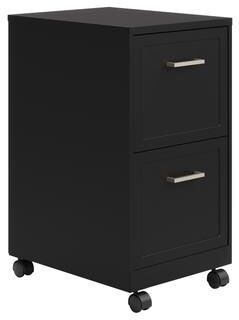
"Space Solutions 18"" Deep 2 Drawer Mobile Letter Width Vertical File Cabinet"Files, supplies, project folders, the things that matter and the things you can't throw away — they accumulate. And when they do, a drawer that slides smoothly and moves wherever you need it changes everything.147,99 $*Shipping: 0,00 $Secure redirect to the provider


-
What is the difference between the E-Commerce Manager, the Merchant in E-Commerce, and the Specialist in E-Commerce?
The E-Commerce Manager is responsible for overseeing the overall e-commerce strategy, including managing the website, online marketing, and sales. They are often in charge of a team and are focused on driving the overall success of the e-commerce business. The Merchant in E-Commerce is responsible for selecting and sourcing products to sell online, negotiating with suppliers, and managing inventory. They are focused on the product side of e-commerce and ensuring that the right products are available to meet customer demand. The Specialist in E-Commerce is an expert in a specific area of e-commerce, such as digital marketing, website optimization, or customer experience. They provide specialized knowledge and skills to support the overall e-commerce strategy and may work closely with the E-Commerce Manager and Merchant to achieve specific goals. **
-
What are the rules of probability in probability theory?
In probability theory, the rules of probability govern how probabilities are calculated and combined. The rules include the addition rule, which states that the probability of either of two mutually exclusive events occurring is the sum of their individual probabilities. The multiplication rule is used to calculate the probability of two independent events both occurring. Additionally, the complement rule states that the probability of an event not occurring is 1 minus the probability of the event occurring. These rules are fundamental in determining the likelihood of different outcomes in various situations. **
-
How do you correctly calculate probability in probability theory?
In probability theory, the probability of an event occurring is calculated by dividing the number of favorable outcomes by the total number of possible outcomes. This can be represented as P(A) = (Number of favorable outcomes) / (Total number of possible outcomes). It is important to ensure that all possible outcomes are accounted for and that the favorable outcomes are correctly identified. Additionally, the probability of multiple events occurring can be calculated using the multiplication rule for independent events or the addition rule for mutually exclusive events. **
-
What is the probability in percent in probability theory?
In probability theory, the probability of an event is a measure of the likelihood that the event will occur. It is usually expressed as a number between 0 and 1, or as a percentage between 0% and 100%. A probability of 0% means the event is impossible, while a probability of 100% means the event is certain to occur. The probability of an event can be calculated using various methods, such as counting outcomes, using probability distributions, or applying statistical techniques. **


With what probability?
With what probability? The probability of an event occurring is a measure of how likely it is to happen, expressed as a number between 0 and 1. The probability of an event that is certain to happen is 1, while the probability of an event that is impossible is 0. Probabilities between 0 and 1 indicate the likelihood of an event occurring, with higher probabilities indicating a greater likelihood. **
How does E-Commerce work?
E-commerce works by allowing businesses to sell products or services online through a website or online marketplace. Customers can browse through the products, add items to their cart, and proceed to checkout by entering their payment and shipping information. Once the order is placed, the business processes the payment, fulfills the order, and ships the products to the customer. E-commerce platforms also handle tasks such as inventory management, order tracking, and customer support to ensure a smooth shopping experience. **
Top-Angebote
Products related to Probability:
-
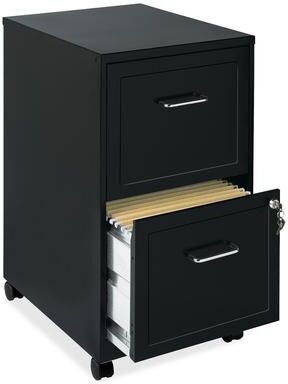
"Space Solutions 18"" Deep 2-drawer Mobile File Cabinet, Black"Keep your files organized and secure with the two lockable drawers of this mobile file cabinet. The drawers are deep enough to store letter-size files, and the smooth glide suspensions ease their operation.122,49 $*Shipping: 0,00 $Secure redirect to the provider
-
"Space Solutions 18"" 2 Drawer Mobile Vertical File Cabinet, Pearl White"The Mobile 2-Drawer Metal File Cabinet is designed for small office or home office use. The cabinet features a smart, efficient design that works well in small spaces and fits under most work surfaces or desks.144,49 $*Shipping: 0,00 $Secure redirect to the provider
-
What distinguishes conditional probability from independent probability?
Conditional probability is the probability of an event occurring given that another event has already occurred. It takes into account the information about the occurrence of one event when calculating the probability of another event. Independent probability, on the other hand, is the probability of one event occurring without any influence from the occurrence of another event. In other words, conditional probability is influenced by the occurrence of a specific event, while independent probability is not influenced by any other event. **
-
What is a probability space in probability theory?
A probability space in probability theory consists of three components: a sample space, an event space, and a probability measure. The sample space is the set of all possible outcomes of an experiment, the event space is a collection of subsets of the sample space representing different events, and the probability measure assigns a probability to each event in the event space. Together, these components define the mathematical framework for analyzing the likelihood of different outcomes in a probabilistic setting. **
-
What is the difference between the E-Commerce Manager, the Merchant in E-Commerce, and the Specialist in E-Commerce?
The E-Commerce Manager is responsible for overseeing the overall e-commerce strategy, including managing the website, online marketing, and sales. They are often in charge of a team and are focused on driving the overall success of the e-commerce business. The Merchant in E-Commerce is responsible for selecting and sourcing products to sell online, negotiating with suppliers, and managing inventory. They are focused on the product side of e-commerce and ensuring that the right products are available to meet customer demand. The Specialist in E-Commerce is an expert in a specific area of e-commerce, such as digital marketing, website optimization, or customer experience. They provide specialized knowledge and skills to support the overall e-commerce strategy and may work closely with the E-Commerce Manager and Merchant to achieve specific goals. **
-
What are the rules of probability in probability theory?
In probability theory, the rules of probability govern how probabilities are calculated and combined. The rules include the addition rule, which states that the probability of either of two mutually exclusive events occurring is the sum of their individual probabilities. The multiplication rule is used to calculate the probability of two independent events both occurring. Additionally, the complement rule states that the probability of an event not occurring is 1 minus the probability of the event occurring. These rules are fundamental in determining the likelihood of different outcomes in various situations. **
Similar search terms for Probability
-
"Space Solutions 18"" Deep 3 Drawer Mobile Organizer Metal Cabinet, Navy"The 3-Drawer Organizer Metal File Cabinet is a multi-functional file cabinet perfect for storing files, supplies, and accessories for your small office or home office.152,99 $*Shipping: 0,00 $Secure redirect to the provider
-
"Space Solutions 18"" Deep 2 Drawer Mobile Letter Width Vertical File Cabinet"Files, supplies, project folders, the things that matter and the things you can't throw away — they accumulate. And when they do, a drawer that slides smoothly and moves wherever you need it changes everything.147,99 $*Shipping: 0,00 $Secure redirect to the provider
-
"Space Solutions 18"" 2 Drawer Mobile Smart Vertical File Cabinet, Navy"The Mobile 2-Drawer Metal File Cabinet is designed for small office or home office use. The cabinet features a smart, efficient design that works well in small spaces and fits under most work surfaces or desks.135,49 $*Shipping: 0,00 $Secure redirect to the provider
-
How do you correctly calculate probability in probability theory?
In probability theory, the probability of an event occurring is calculated by dividing the number of favorable outcomes by the total number of possible outcomes. This can be represented as P(A) = (Number of favorable outcomes) / (Total number of possible outcomes). It is important to ensure that all possible outcomes are accounted for and that the favorable outcomes are correctly identified. Additionally, the probability of multiple events occurring can be calculated using the multiplication rule for independent events or the addition rule for mutually exclusive events. **
-
What is the probability in percent in probability theory?
In probability theory, the probability of an event is a measure of the likelihood that the event will occur. It is usually expressed as a number between 0 and 1, or as a percentage between 0% and 100%. A probability of 0% means the event is impossible, while a probability of 100% means the event is certain to occur. The probability of an event can be calculated using various methods, such as counting outcomes, using probability distributions, or applying statistical techniques. **
-
With what probability?
With what probability? The probability of an event occurring is a measure of how likely it is to happen, expressed as a number between 0 and 1. The probability of an event that is certain to happen is 1, while the probability of an event that is impossible is 0. Probabilities between 0 and 1 indicate the likelihood of an event occurring, with higher probabilities indicating a greater likelihood. **
-
How does E-Commerce work?
E-commerce works by allowing businesses to sell products or services online through a website or online marketplace. Customers can browse through the products, add items to their cart, and proceed to checkout by entering their payment and shipping information. Once the order is placed, the business processes the payment, fulfills the order, and ships the products to the customer. E-commerce platforms also handle tasks such as inventory management, order tracking, and customer support to ensure a smooth shopping experience. **
* All prices are inclusive of VAT and, if applicable, plus shipping costs. The offer information is based on the details provided by the respective shop and is updated through automated processes. Real-time updates do not occur, so deviations can occur in individual cases. ** Note: Parts of this content were created by AI.